
Introduction
Borrowing money is a big decision. Whether you need help with a surprise car repair, a medical bill, or a plan to pay down credit cards, the loan you choose can shape your budget for months or years. That is why more people now start their search with an online loan comparison platform instead of applying to one lender at a time.
This LoanRaptor review looks at how the platform works, what kinds of personal loan options it can surface, and what to think about before you apply. The goal is simple: help you make an informed borrowing decision with clear, honest information. No hype, no guaranteed approval promises, and no misleading financial claims.
LoanRaptor is not a lender. It is an online lending marketplace and loan matching service. That difference matters, and we explain it in detail below.
What Is LoanRaptor?
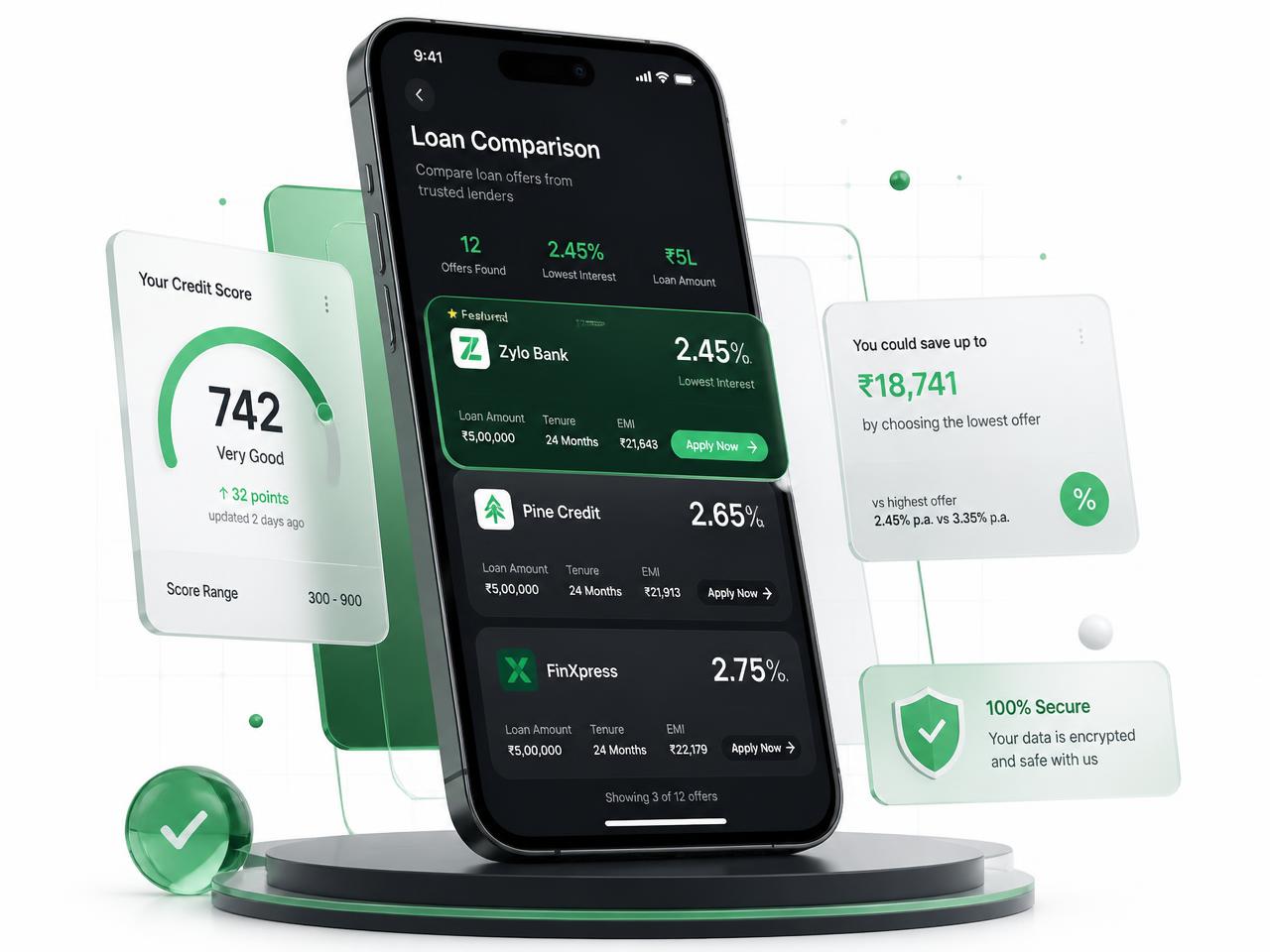
LoanRaptor is a loan comparison platform. You share some basic details about what you need, and the platform helps connect your request with lending partners that may be able to work with your situation. Instead of filling out five separate forms on five different websites, you start in one place.
Think of it like a travel search site, but for borrowing. A travel site does not fly the plane. It shows you the flights that exist so you can compare them. In the same way, LoanRaptor does not fund loans or set interest rates. Lenders and lending partners do that.
- It is a loan marketplace, not a direct lender.
- It helps you compare personal loan options side by side.
- It supports many borrowing goals, from emergency loans to debt consolidation loans.
- It cannot guarantee approval, a rate, or a specific loan amount.
- Final terms always come from the lender you choose, not from the platform.
People often search for terms like online loan comparison, best personal loan options, or fast loan approval and land on platforms like this one. The value is convenience and clarity. You see several paths at once, which makes it easier to notice which offer is actually affordable for you.
How LoanRaptor Works
The loan application process on a comparison platform is usually short. Here is a typical flow, step by step.
Step 1: Share your basic details
You enter the loan amount you are considering, your general purpose for borrowing, and simple details such as income range and employment status. Keep everything accurate. Small errors can slow the process down or lead to offers that do not match your real situation.
Step 2: Get matched with lending partners
Your request is reviewed against the criteria of participating lenders. Every lender has its own rules about credit history, income, state availability, and loan size. If your profile does not fit one partner, another may still be a possible match.
Step 3: Review the loan options presented
This is the most important step, and the one people rush. Look at the annual percentage rate, the term length, the monthly payment, any origination fee, and whether there is a prepayment penalty. A longer term often looks friendlier each month but can cost far more overall.
Step 4: Complete the application with your chosen lender
If you decide to move forward, you continue on the lender's own site. They may ask for documents such as pay stubs, a bank statement, or proof of identity. They may also run a hard credit check at this stage, which can affect your credit score.
Step 5: Funding
If the lender approves your application and you sign the agreement, funds are usually deposited to your bank account. Quick funding options exist, and some lenders advertise next business day deposits, but timing depends on the lender, your bank, and verification.
Key Features of LoanRaptor
- One short form instead of many separate lender applications.
- Access to multiple lending partners in a single search.
- Support for several loan categories, including installment loans and debt consolidation.
- A mobile friendly process you can complete from a phone.
- Secure data handling with encrypted form submission.
- Educational content that explains rates, terms, and repayment in plain language.
- No cost to compare options through the platform itself.
None of these features replace your own judgment. A platform can widen your view. It cannot decide what fits your budget. That part is still yours.
Benefits of Using a Loan Comparison Platform
Why compare loans online at all? Because the difference between a good offer and a poor one is often thousands of dollars over the life of the loan.
- You save time. One form can reach several lenders.
- You see contrast. Two offers side by side make a bad rate obvious.
- You reduce pressure. Comparing before applying means fewer rushed choices.
- You learn the market. Even if you do not borrow today, you learn what your profile can access.
- You may protect your credit. Many platforms start with a soft inquiry that does not affect your score.
A quick example. Imagine a $10,000 loan over 48 months. At 12 percent, the monthly payment is roughly $263. At 22 percent, it is closer to $316. That gap is about $2,500 across the full term. Same loan amount. Very different outcome. Comparison is how you find that gap before you sign, not after.
Understanding Different Types of Loans
Not every loan is built for the same job. Picking the right category is half the work.
Personal Loans
A personal loan is usually unsecured, which means no collateral. You receive a lump sum and repay it in fixed monthly installments. Terms often run from 12 to 60 months. People use personal loans for home projects, moving costs, weddings, or consolidating other debt.
- Fixed payments make budgeting easier.
- Rates depend heavily on credit score and income.
- Watch for origination fees, often taken from the amount you receive.
Emergency Loans
Emergency loan solutions are simply fast funding for urgent costs, such as a broken furnace or an unexpected medical bill. Speed is the selling point, and speed often costs more.
- Best for genuine, time sensitive needs.
- Compare the total cost, not just the speed of deposit.
- Consider alternatives first: a payment plan, a credit union loan, or employer assistance.
Debt Consolidation Loans
A debt consolidation loan combines several balances into one loan with one payment. It can simplify your life and, if the new rate is lower, reduce what you pay in interest.
- Only helps if the new rate is meaningfully lower than your current average.
- Add up fees before you decide, since an origination fee can erase small savings.
- The real risk is behavioral: running the old cards back up after consolidating.
Installment Loans
Installment loans are repaid in scheduled equal payments over a set period. Most personal loans are installment loans. The structure is predictable, which is exactly why many borrowers prefer it over revolving credit.
Bad Credit Loan Options
If your credit score is low, options still exist, but they usually carry higher rates and smaller limits. Be extra careful here, because this is the corner of the market where costly products live.
- Check the APR, not just the monthly payment.
- Avoid any offer that will not show full terms before you commit.
- Be cautious with very short term, very high cost products.
- Consider a co-signer or a secured option if available to you.
- Never pay an upfront fee to be approved. Legitimate lenders deduct fees from proceeds or bill them in the loan.
Factors To Consider Before Applying
Interest Rates
Compare APR rather than the plain interest rate. APR includes most fees, so it reflects the real cost of borrowing. A loan with a lower rate but a large origination fee may cost more than one with a slightly higher rate and no fee.
Repayment Terms
A longer term lowers the monthly payment and raises the total interest. A shorter term does the reverse. Choose the shortest term you can comfortably afford, with a small cushion for surprises.
Monthly Payments
Fit the payment into your actual budget, not your hoped for budget. A common guideline is to keep total debt payments, including housing, under about 40 percent of gross monthly income. Lower is safer.
Credit Score Considerations
- Soft inquiries for prequalification generally do not affect your score.
- Hard inquiries at the final application stage can lower it slightly for a short period.
- Rate shopping within a short window is usually treated more favorably by scoring models.
- On time payments on a new installment loan can help your score over time.
Common Loan Application Mistakes
Most loan regret does not come from a dramatic mistake. It comes from small oversights that add up. Below are the ones lenders and financial counselors see most often, and each of them is avoidable in a few minutes of extra reading.
- Borrowing more than you need because a larger amount was offered.
- Judging a loan by the monthly payment alone and ignoring total cost.
- Skipping the fee section: origination, late payment, and prepayment penalties.
- Applying to many lenders at once with hard inquiries.
- Entering inaccurate income or employment details.
- Ignoring the funding timeline when the money is genuinely time sensitive.
- Not reading the loan agreement in full before signing.
There is one more mistake worth naming on its own: treating the first offer as the only offer. Rates for the same borrower can differ by several percentage points between lenders, because each one weighs credit history, income stability and existing debt a little differently. Comparing two or three options costs you nothing but a few minutes, and it is the single easiest way to lower the price of borrowing.
Another quiet trap is state availability. Lending rules are set at both the federal and state level, so an offer advertised nationally may not be available where you live, or may come with different maximum amounts and rate caps. If a product disappears from your results after you enter your ZIP code, that is usually why.
How To Read a Loan Offer Line by Line
When two offers sit next to each other, the winner is rarely the one with the friendliest headline. Work through these five lines in order and the better choice becomes obvious.
- APR: the yearly cost including most fees. This is your main comparison number.
- Loan amount funded: the money that actually lands in your account after any origination fee is deducted.
- Term: how many months you will make payments. Shorter usually costs less overall.
- Monthly payment: the number that has to fit your real budget, every month, without strain.
- Total repayment: payment multiplied by term. This is the true price tag of the loan.
Also scan for three specific fees: an origination fee taken from the loan proceeds, a late payment fee, and any prepayment penalty. A prepayment penalty matters more than people expect, because it removes your ability to save money by paying the loan off early.
Finally, check how payments are applied. Reputable installment lenders apply extra payments toward principal, which shortens the loan. If a lender applies extra money to future interest instead, paying ahead helps you far less.
Tips For Improving Approval Chances
- Check your credit reports and dispute errors before applying.
- Pay down credit card balances to lower your utilization.
- Keep your debt to income ratio as low as you can.
- Have documents ready: recent pay stubs, bank statements, and ID.
- Request a realistic loan amount for your income level.
- Avoid opening other new credit accounts right before you apply.
- Consider a co-signer if a trusted person is willing and understands the risk.
No step guarantees approval. Lenders decide based on their own criteria, and those criteria change. What these habits do is improve the picture you present, which is the part you can control.
Responsible Borrowing Practices
A loan is a tool. Used well, it solves a problem. Used carelessly, it creates a bigger one.
- Borrow for a clear purpose with a clear payoff date.
- Write out the total repayment amount before you sign, not after.
- Set up autopay so a missed date never becomes a late fee.
- Build a small emergency fund so the next surprise does not require credit.
- Do not take a new loan to pay an existing one unless the math clearly improves.
- Contact your lender early if you expect trouble paying. Options often exist before a default.
Who May Benefit From LoanRaptor?
- People who want to compare several loan options without visiting many websites.
- Borrowers consolidating high interest credit card balances.
- Anyone facing a time sensitive expense who still wants to compare before committing.
- First time borrowers who want to understand what their profile can access.
- People with imperfect credit who want to see realistic options in one place.
It may be less useful if you already have a strong preapproved offer from your bank or credit union, or if you need a mortgage or auto loan, which are different products with different marketplaces.
Pros and Cons
Pros
- One form reaches multiple lending partners.
- Free to compare options.
- Covers several loan categories and credit profiles.
- Simple, mobile friendly process.
- Helpful educational content for first time borrowers.
Cons
- Not a lender, so it cannot approve or fund anything.
- Available offers depend on partner coverage in your state.
- Rates for lower credit profiles can be high.
- Final terms and fees are set by the lender, not the platform.
- You still have to read and compare the fine print yourself.
Frequently Asked Questions
Is LoanRaptor a lender?
No. It is a loan comparison and matching service that connects borrowers with participating lending partners. Loans are made by the lenders, not by the platform.
Does checking options affect my credit score?
Prequalification usually uses a soft inquiry, which does not affect your score. A hard inquiry may happen later when you complete an application with a specific lender.
How much can I borrow?
Amounts vary by lender, state, income, and credit profile. Many personal loans range from a few hundred dollars to $50,000. Your actual limit is decided by the lender.
How fast can I get funds?
Some lenders advertise same day or next business day funding after approval and signing. Timing depends on verification and your bank, so treat any timeline as an estimate.
Can I apply with bad credit?
You can explore options with less than perfect credit. Approval is never guaranteed, and offers for lower credit scores typically carry higher rates and smaller amounts.
Is there a cost to compare?
Comparing options through the platform is free. Costs come from the loan you eventually accept, in the form of interest and any lender fees.
Final Thoughts
LoanRaptor works best as a starting point. It gathers loan options in one place so you can compare rates, terms, and monthly payments without repeating the same form all over the internet. That convenience is real, and for many borrowers it is enough reason to start here.
Just remember what a marketplace can and cannot do. It can show you choices. It cannot promise approval, set your rate, or tell you what you can afford. Those answers come from the lender and from your own budget.
If you take one thing from this review, make it this: compare the APR and the total repayment amount before you sign anything. Borrow only what you need, choose the shortest term you can comfortably handle, and keep your payments automatic. Do that, and a loan stays a tool instead of turning into a burden.